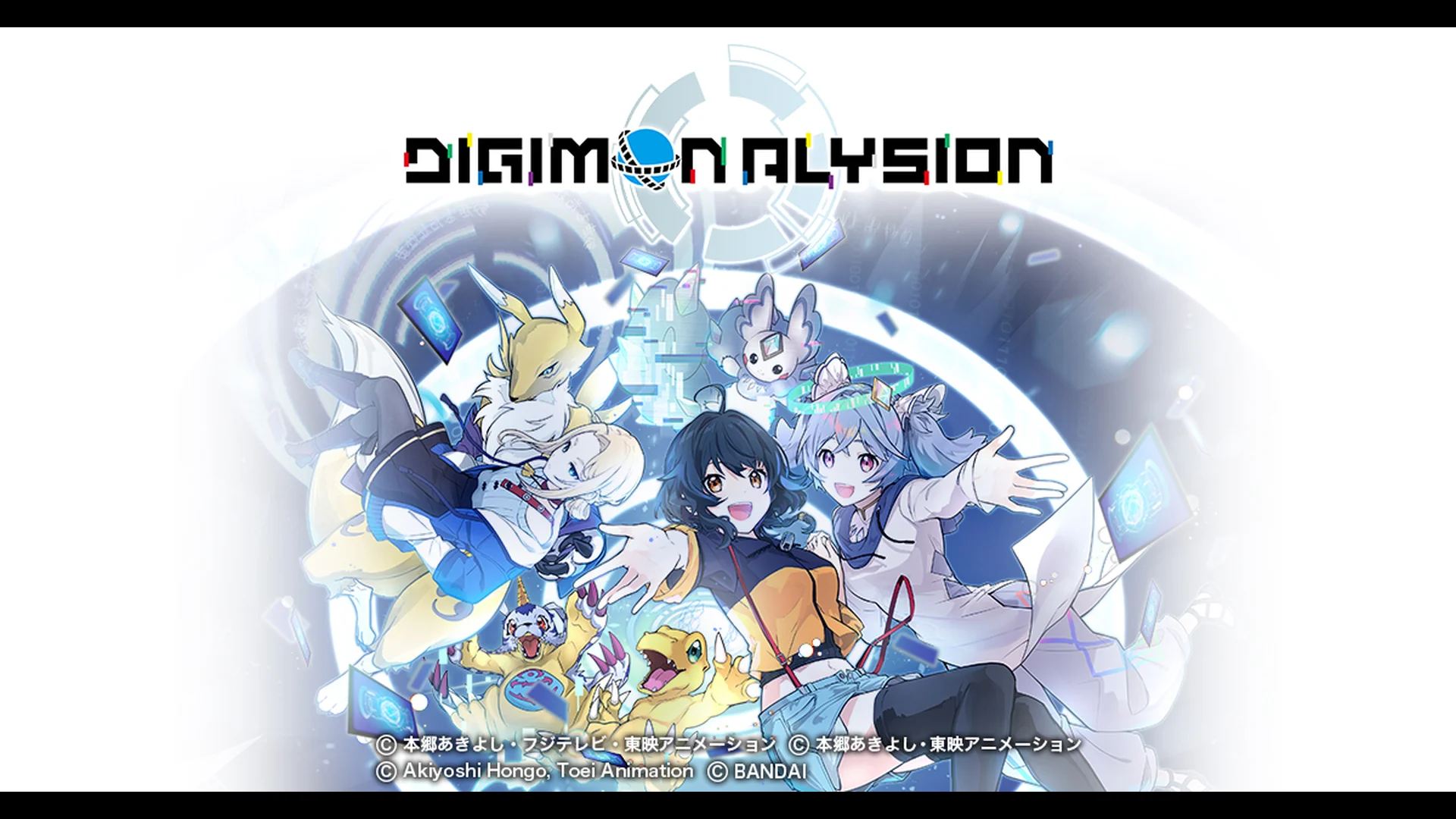
Digimon Alysion Beginner Guide: Mastering the Basics of the Card Game
With the excitement surrounding pre-registration for Digimon Alysion going live, a wave of new players is jumping into the digital world to experience the.
With the excitement surrounding pre-registration for Digimon Alysion going live, a wave of new players is jumping into the digital world to experience the strategic card game. Whether you are transitioning from the physical Digimon Trading Card Game (TCG) or trying out a digital adaptation for the first time, getting your bearings can feel a bit overwhelming.
This guide breaks down the core fundamentals of how the game is structured, the critical phases of a turn, how the shared resource system works, and what you need to know to start winning matches.
Understanding the Game Setup and Objectives
At its core, Digimon Alysion is a 1-versus-1 tactical card game. Your main goal is simple yet challenging: whittle down your opponent’s security stack and land one final attack to claim victory.
To set up for a match, you will typically work with:
- A Main Deck: Comprising 50 cards made up of Digimon, Tamers, and Option cards.
- A Digi-Egg Deck: Containing 0 to 5 Digi-Eggs used in your breeding area.
- Security Stack: Starting with 5 cards placed face-down on your side of the field. When your opponent attacks you, these cards act as your shields and counter-measures.
- The Memory Gauge: The central resource meter shared between you and your opponent.
While the digital user interface for Digimon Alysion may present these elements with a specialized layout, the underlying structure follows traditional Digimon TCG rules.
Anatomy of a Turn: The Five Phases
Every turn in the game is broken down into five distinct sequential phases. Learning how to navigate these phases efficiently is the key to mastering your momentum.
1. Unsuspend Phase
The turn begins by triggering any "start of your turn" or "start of your opponent's turn" effects. Following that, the active player unsuspends (stands upright) all exhausted cards in their battle area, preparing them for action.
2. Draw Phase
You draw one card from your main deck.
- Important Note: The player who goes first in the match skips their first draw phase.
- Deck-Out Rule: If your main deck is completely empty at the exact moment you are required to draw during this phase, you immediately lose the game. Drawing empty from card effects outside this specific phase does not cause an automatic loss.
3. Breeding Phase
This phase gives you a safe space to grow your Digimon away from the main battlefield. During your breeding phase, you may choose one of three actions (barring any specific card effects that alter this):
- Hatch a Digi-Egg from your Digi-Egg deck into the breeding area.
- Move a Digimon from the breeding area out into the main battle area.
- Choose to do nothing.
Tip: Because the breeding area is entirely separate from the battle area, Digimon inside it cannot be targeted by enemy effects, nor do they trigger "on play" or "when digivolving" abilities until they move out. Furthermore, moving a Digimon out of breeding avoids the usual "summoning sickness" restriction because it has technically already been on the field for a turn.
4. Main Phase
This is where you will spend the vast majority of your time and strategy. Memory permitting, you can perform any of the following actions as many times as you like:
- Play a Digimon or Tamer straight to the battle area.
- Play an Option card for its memory cost.
- Digivolve a Digimon currently sitting in either the battle area or the breeding area. (Note: Digivolving always forces you to draw a card, even if done in the breeding zone).
- Declare an attack with an unsuspended Digimon in the battle area.
- Activate card effects, such as main effects on Digimon, delay main options, or Tamer abilities.
You can also choose to pass your turn manually, though giving your opponent a free surge of memory is rarely recommended.
5. End Phase
This phase triggers when memory shifts over to your opponent's side. Any pending effect resolutions on the stack resolve first, followed by end-of-turn effects. After these resolve, a final memory recheck occurs. If card effects somehow push the memory gauge back to your side (zero or higher), you get to keep your turn!
The Shared Resource: How Memory Works
Unlike many other card games where you harvest your own isolated mana or energy pools, Digimon Alysion utilizes a shared memory gauge.
- The gauge sits right in the middle between you and your opponent.
- If the memory counter rests on your side (to the left of zero), it is your turn.
- When you play or digivolve Digimon, you spend memory, pushing the counter to the right toward your opponent's side.
- The moment the memory counter crosses zero into your opponent's territory, your turn automatically ends.
Managing your memory efficiently means leaving your opponent with as little room to maneuver as possible while maximizing your own plays without accidentally handing them the initiative.
How Combat and Effects Work
When you decide to attack, you must follow a specific sequence:
- Declaration: Suspend your attacking Digimon and declare your target.
- When Attacking Effects: Trigger and resolve any relevant abilities tied to the attack.
- Counter Timing: Look out for counter effects (such as ACE Digimon mechanics in later card pools).
- Blocking Timing: The defending player may suspend a Digimon with the Blocker keyword to redirect the attack to itself.
- Resolution: Damage, battle calculations, or security checks are executed, followed by a quick cleanup.
Resolving Simultaneous Effects
When multiple effects trigger at the same time:
- The active player's effects always resolve first, followed by the opponent's.
- If a single player has multiple effects triggering simultaneously, that player chooses the order of resolution.
- The system operates on a Last In, First Out (LIFO) stack—meaning the most recent triggers happen immediately before older ones finish resolving.
Next Steps for Beginners
As you jump into Digimon Alysion, take advantage of any built-in tutorials or practice modes the digital platform offers. Because reading card text, understanding keywords (like Blocker or Jamming), and tracking memory flow take practice, starting with pre-constructed decks will help you learn the ropes smoothly.
Keep an eye out for more advanced guides breaking down card text parsing, keyword interactions, and deck-building strategies as you master the basics of the game!